
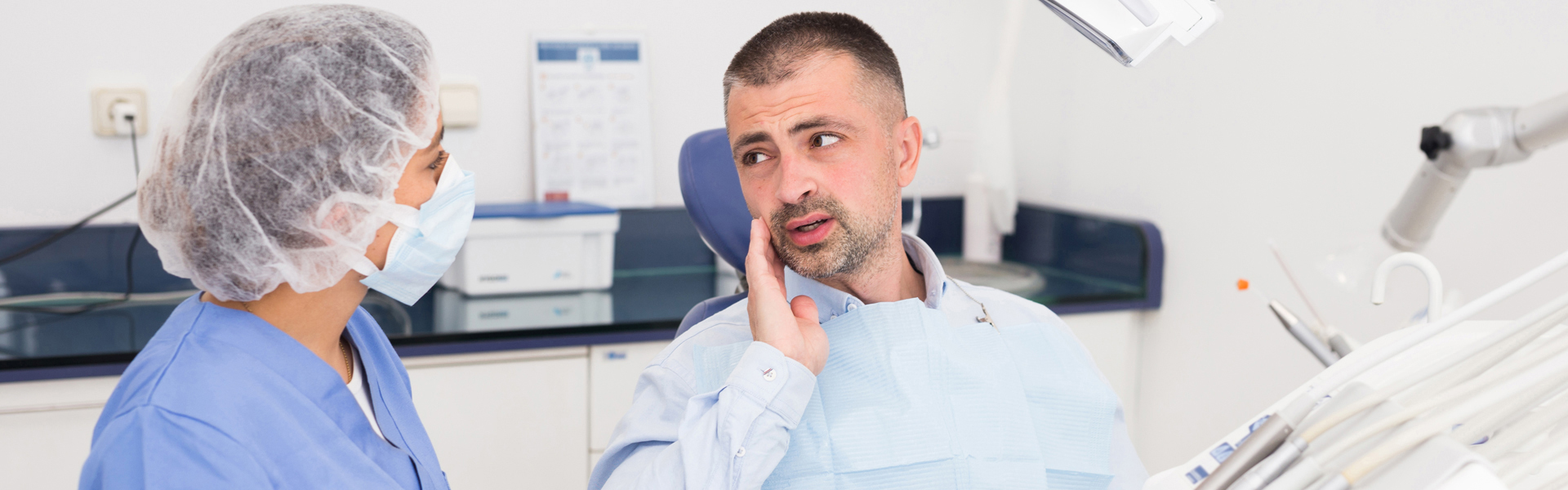
The Role of Wisdom Teeth Removal in Long-Term Oral Health
Most wisdom teeth begin to erupt in the late teens or early twenties. For some people, they grow without trouble and remain healthy. However, for many people, wisdom teeth can cause pain, crowding, or recurrent infections. Dental assessment at the right stage can help prevent long-term problems linked to wisdom teeth. Seeing a dentist in Toronto on a routine basis allows these concerns to be detected before they become more serious complications.
Wisdom teeth are located at the very back of the mouth, which makes them harder to monitor and clean. Because of their position and late eruption, they often develop problems that affect not only the teeth themselves but also the surrounding gums and jaw. Addressing these issues early can play an important role in maintaining long-term oral health.
Ways Wisdom Teeth Can Damage Nearby Teeth
Because wisdom teeth erupt last, there is often not enough space for them to grow properly.This lack of space often results in pressure against adjacent molars. This pressure can shift nearby teeth and interfere with proper alignment, even after orthodontic treatment. Gradual movement can affect chewing comfort and how the teeth fit together.
When wisdom teeth grow at an angle, food and bacteria are more likely to collect around them. This buildup is difficult to remove with regular brushing and flossing. Over time, this can lead to cavities in the wisdom teeth and damage to the healthy teeth next to them. A surgical evaluation clarifies whether wisdom teeth are likely to affect adjacent teeth.especially when access for cleaning is limited.
Common Risks of Keeping Wisdom Teeth
Infection is one of the most common complications associated with wisdom teeth. Partially erupted wisdom teeth create small openings in the gums where bacteria can collect. These areas are difficult to keep clean and can become inflamed.
This can lead to swelling, pain, persistent bad breath, or difficulty opening the mouth. Repeated infections may interfere with daily activities and affect overall comfort.
In some cases, impacted wisdom teeth can harm the jawbone or cause cysts to develop nearby. If left untreated, these conditions can damage nearby tooth roots and weaken the surrounding bone. Over time, this damage may require more complex treatment. Dental professionals often recommend removal before these complications develop, especially when imaging shows that the teeth are unlikely to erupt normally. This type of dental surgery Toronto patients receive is commonly done as a preventive measure rather than an emergency procedure.
How Wisdom Teeth Contribute to Gum Problems
Gum health plays a key role in preventing infection and supporting overall oral health. Wisdom teeth that are difficult to access can reduce the effectiveness of daily brushing and flossing. When plaque builds up around these teeth, it often irritates the gums and contributes to inflammation
This inflammation may cause tenderness, redness, or bleeding during brushing.
Ongoing irritation can develop into gum infections that affect nearby teeth. These infections may spread if left untreated. Swollen or bleeding gums around wisdom teeth are often signs that professional evaluation is needed.
Early evaluation can help protect the gums and reduce the risk of long-term damage. In some cases, an oral surgeon near you may recommend removal to protect both gum tissue and nearby teeth.
Why Early Wisdom Teeth Removal Can Be Preventive
Removing wisdom teeth before symptoms develop often leads to simpler treatment and a faster recovery. Early removal is usually associated with less discomfort and a smoother healing process. When wisdom teeth are removed at the appropriate time, it can prevent crowding, infections, and damage to nearby teeth.
Early removal also reduces the chance of repeated gum infections and decay in hard-to-reach areas. For many patients, addressing the issue early avoids the need for more involved procedures later in life. This preventive approach supports long-term oral health and reduces the risk of future complications.
Oral Health Benefits After Wisdom Teeth Removal
After removal, patients commonly experience reduced pain and a lower risk of infection. Recurring swelling or pressure in the back of the mouth often resolves once the teeth are removed. Many people also notice improved comfort when eating and speaking.
Over time, patients may also find it easier to maintain good oral hygiene. Removal reduces hard-to-clean areas at the back of the mouth, fewer places for bacteria to collect, and makes brushing and flossing more effective. These changes support healthier gums and help maintain long-term oral stability.
Final Thoughts
Removing problematic wisdom teeth helps protect nearby teeth and gum tissue while supporting overall oral health. Timely evaluation and appropriate care play an important role in preventing complications, and for many patients, treatment at Toronto East Maxillofacial Surgery is aimed at maintaining long-term dental health and patient comfort.